
Trézor.io/Start — Starting Up™ Your Device | Trezor®®
Explore Trezor.io/start for a straightforward overview of Trezor wallet setup, hardware device connection, Trezor Suite usage, account management, and secure crypto practices.
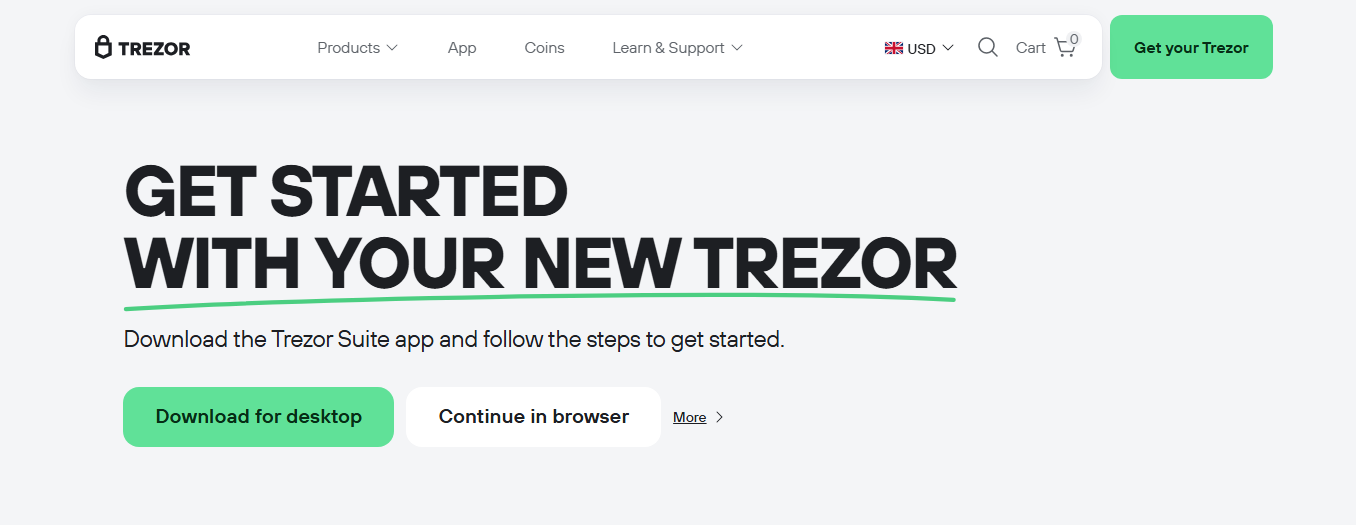
Trezor.io/start: A Step-by-Step Guide to Trezor Wallet Setup
Managing cryptocurrency securely begins with choosing the right approach to protecting wallet access. A hardware wallet provides a physical layer of security that can help users maintain greater control over their digital assets. Trezor has developed hardware wallets that work together with its software environment, giving users a way to manage supported cryptocurrencies while keeping important security operations connected to a dedicated device.
For anyone purchasing or receiving a Trezor device for the first time, Trezor.io/start is a useful place to begin. The setup process helps users understand how to connect their hardware wallet, access Trezor Suite, initialize the device, create a wallet backup, and begin managing cryptocurrency responsibly.
What Is Trezor.io/start?
Trezor.io/start is designed as an entry point for users beginning their Trezor hardware wallet setup. It provides guidance for moving from an unused device toward a configured wallet environment.
The process typically involves preparing the device, accessing the appropriate Trezor software, connecting the hardware wallet, and following the instructions displayed during initialization.
For new users, the most important thing is to complete each stage carefully. Hardware-wallet setup involves information that should remain private, so users should avoid rushing through the process or following instructions from unverified websites.
Why Trezor Hardware Wallets Are Different
A Trezor hardware wallet is different from a wallet that exists only as software on a computer or phone. The physical device plays an important role in protecting wallet operations and approving security-sensitive actions.
Trezor Suite provides the interface for interacting with the wallet. Users can view supported accounts and manage various wallet functions through the software, while the hardware device can be used to review and authorize important operations.
This combination gives users both a convenient software interface and a dedicated physical security component.
Preparing for Your Trezor Setup
Before starting the Trezor.io/start process, gather the hardware wallet and a compatible computer or mobile device. Depending on the model and connection method, you may also need the appropriate cable.
Choose a private location for the setup. Avoid performing the initial configuration while someone else is watching or while using an unfamiliar public computer.
It is also worth preparing a secure location for the wallet backup before you begin. Having a safe storage plan in advance can reduce the temptation to save sensitive information in an unsafe location.
Accessing Trezor Suite
Trezor Suite is the software environment used to interact with supported Trezor hardware wallets. It provides tools for account management, cryptocurrency balances, receiving assets, preparing transactions, and other wallet functions.
When obtaining Trezor Suite, make sure the software comes from an official Trezor source. Fake wallet applications are a common security concern because they can look similar to legitimate software.
Do not rely solely on a search-result title, advertisement, or message containing a download link. Verify the website and software source before proceeding.
Connecting Your Trezor Device
After preparing Trezor Suite, connect the hardware wallet according to the instructions for your specific device.
Once connected, the software can guide you through the available setup steps. Depending on the condition of the device, you may be asked to complete firmware-related actions or verify information displayed by the hardware.
Read the instructions carefully and pay attention to the Trezor device itself. If an action requires confirmation on the hardware wallet, review the information before approving it.
Initializing a New Trezor Wallet
If the device is new, the setup process may allow you to initialize a new wallet.
During this stage, the wallet generates the information necessary for future access and recovery. The exact process can vary depending on the Trezor model and its supported backup system.
Do not photograph, copy, or transmit sensitive wallet information simply for convenience. Follow the official setup instructions and create a secure physical backup according to the device's guidance.
This is one of the most important stages of the entire Trezor wallet setup process.
Recovering an Existing Wallet
A Trezor device may also be used to recover an existing wallet. This option is intended for users who already possess the correct wallet recovery information.
Before beginning a recovery, make sure you understand which wallet you are restoring. Never use recovery information provided by an unknown website or another person.
If someone contacts you unexpectedly and claims that your Trezor wallet needs to be restored or verified, do not provide sensitive information. Instead, stop and consult trusted Trezor resources independently.
Keeping Your Wallet Backup Secure
Your wallet backup should be treated as highly sensitive information. It can be essential when restoring access to a wallet, which means losing or exposing it can create serious problems.
Keep the backup in a secure and private location. Avoid saving it in cloud storage, email, screenshots, notes applications, or online password managers unless the official security guidance for your specific setup explicitly recommends such a method.
Never send the backup through a messaging application or provide it to someone claiming to be customer support.
A legitimate support interaction should not require you to reveal sensitive recovery information.
Setting Up Trezor Security Features
Depending on the Trezor model, setup may include security features such as device authentication and other available protections.
Choose security settings carefully and make sure you understand how they work before relying on them.
The physical Trezor device should also be stored somewhere secure when it is not being used. Good physical security complements the digital and software protections surrounding the wallet.
Managing Cryptocurrency After Setup
Once the Trezor wallet has been initialized, Trezor Suite can be used for everyday cryptocurrency management.
Users can work with supported accounts, monitor balances, receive assets, and prepare transactions through the available wallet features.
It is helpful to keep accounts organized and understand which cryptocurrency and network each account supports. This reduces confusion when receiving or sending assets.
Before performing any transaction, review the information carefully rather than relying on assumptions.
Receiving Cryptocurrency Through Your Trezor Wallet
Receiving cryptocurrency usually requires providing a wallet address to the sender. Even though the process is straightforward, users should still verify the address and network.
If an address is copied from an unknown message or website, check it again within the trusted wallet environment before sharing it.
Using the wrong address or network can create significant problems, so careful verification should become part of your regular wallet routine.
Sending Transactions Safely
Sending cryptocurrency requires even more attention because blockchain transactions may be difficult or impossible to reverse.
Before approving a transaction, check the destination address, amount, network, and other relevant information. When details are displayed on the Trezor hardware wallet, compare them with your intended transaction.
Do not approve an unfamiliar transaction because a website claims it is necessary to unlock your account, resolve an error, or activate a feature.
If something does not look right, stop and investigate before continuing.
Avoiding Fake Trezor Login and Setup Pages
Cryptocurrency users may encounter websites that imitate wallet software or support pages. These pages can use familiar branding and language to appear trustworthy.
Be particularly cautious if a website asks for your wallet backup, private information, or other sensitive credentials.
Trezor users should rely on trusted official resources when downloading software or troubleshooting their device. Never assume that the first result in a search engine is automatically the correct destination.
Maintaining Your Trezor Wallet
Security should continue after the initial setup. Keep your Trezor software and device environment maintained through legitimate update channels.
Before installing an update, verify its source. Avoid modified applications, unofficial firmware packages, and downloads shared through unknown websites.
It is also useful to keep the computer or mobile device used with your wallet updated and protected with appropriate security measures.
Common Trezor Setup Problems
New users sometimes make mistakes because they are unfamiliar with hardware-wallet terminology or security procedures. Common issues include using an unofficial download, losing the wallet backup, entering recovery information into a phishing website, or approving a transaction without reviewing the details.
Another common problem is attempting to solve a wallet issue through an unfamiliar support website.
When something goes wrong, pause before taking action. Use trusted Trezor documentation and verify instructions rather than relying on random online advice.
Developing Better Wallet Habits
A successful Trezor setup is only the beginning. Long-term wallet security depends on consistent behavior.
Keep your hardware wallet physically protected, store your backup securely, use trusted software, and remain cautious about unexpected communications.
Before confirming a transaction, make a habit of reviewing the information displayed on the hardware device. If an action seems unusual, investigate it before approving anything.
These habits can help reduce the likelihood of avoidable security mistakes.
Final Thoughts
Trezor.io/start provides a practical starting point for setting up a Trezor hardware wallet and learning how the device works with Trezor Suite. The process includes several important stages, from connecting and initializing the device to protecting the wallet backup and managing cryptocurrency accounts.
The best approach is to treat security as part of every stage rather than something that is added afterward. Use trusted Trezor resources, verify software before installing it, protect your wallet backup, and carefully review transactions before confirming them.
With a thoughtful setup and responsible security habits, a Trezor hardware wallet can provide a structured environment for managing cryptocurrency while giving users greater control over their digital assets.
Updated about 4 hours ago